





































Meta launches AI smart glasses, signaling the end of the smartphone era
Meta has officially entered a new phase of consumer technology with the launch of its AI-powered smart glasses. Led by CEO Mark Zuckerberg, the company says these glasses are designed to reduce dependence on smartphones and bring a more natural, hands-free way of accessing information into everyday life.


Meta smart glasses became the focal point in a final push to a post-smartphone future in late 2025 when Meta Platforms, Inc., under the leadership of CEO Mark Zuckerberg, released its most ambitious producer of consumer hardware to date. The launch, announced at the Meta Connect 2025 event in Menlo Park, California, marked the start of Meta attempting to reinvent the everyday experience of computing using artificial intelligence and augmented reality - to put technology even closer to the human senses than it used to be. Having set up the Meta smart glasses as the path to hands-free, always-on AI, the company made the situation not only a launch of a new product, but the start of a new era of computing.
A New Generation of Wearable Computing
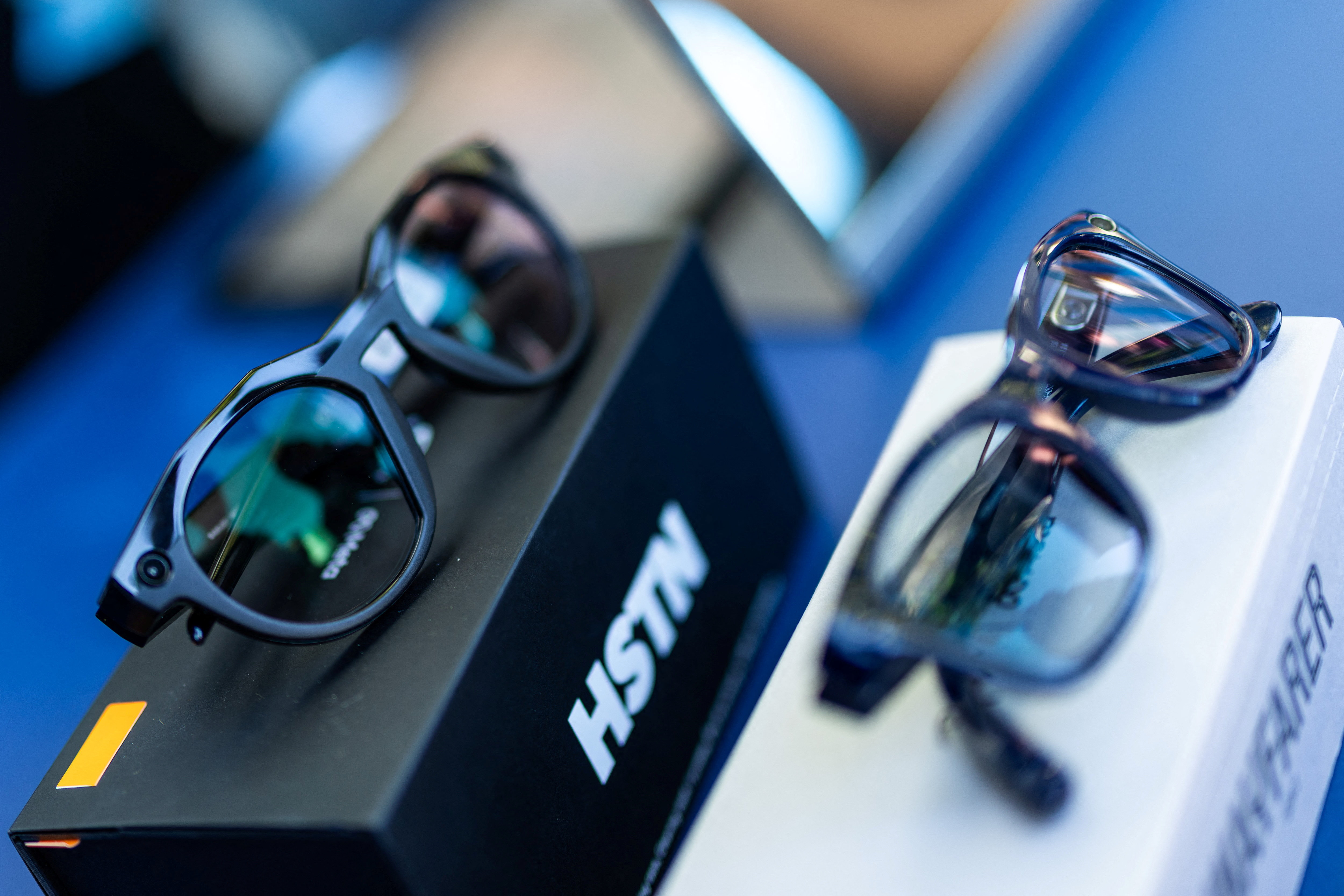
The centre of the announcement was the Ray-Ban Meta Display, which constituted the first entry in the Meta smart glasses line with a consumer facing display. With a 600 x 600 pixel monocular touchscreen taking the shape of a tiny, inconspicuous piece of the right lenses, the gadget provides users with glanceable information this includes notifications, directions, live translation, and music controls, without interrupting the physical reality. The glasses made by Qualcomm using the Snapdragon AR1 Gen 1 chip are supposed to be lightweight, user-friendly, and unobtrusive. Meta, together with them, unveiled updates to its ecosystem: the Ray-Ban Meta Gen 2 content-creating glasses, the Oakley Meta Vanguard, targeting the athletes and outdoor user. These launches together made the Meta smart glasses to grow into lifestyle, productivity, and performance segments.
Neural Control Meets Artificial Intelligence
The biggest distinction between Meta smart glasses is the way the customer engages with them. Meta also replaced touchscreens or large controllers with the Meta Neural Band, which is also known as Ceres. The wrist worn device captures the finer nerve impulses using the surface electromyography (sEMG) and the user is able to scroll, select and even write in the air with the movement of the hands in a natural manner. This smooth control system merges with the Meta AI on a fundamental level and allows language translation in real-time, contextual help, and voice queries. The emotional appeal is obvious: the technology should be a reaction to human will and not vice versa. This is a very important move towards the long-term goals of Meta to have personal superintelligence in Meta smart glasses.
Meta’s Strategic Bet
The Meta smart glasses were launched in September 2025 at Meta connect and sold in the United States this September 30 at a price of 799 USD (Display model). Whereas the UK, France, and Canada were not to be rolled out until 2026 due to strong demand, other models were later introduced in other countries, internationally in 2025, at reduced prices.
Meta is directly targeting Apple and Google strategically by developing end-to-end wearable. The company is of the view that glasses not phones are the most appropriate interface in the AI-enhanced future. At the same time that constant access to information is available to users by simply integrating object-based intelligence into objects that people already wear on a daily basis, Meta smart glasses will provide them with the ability to stay emotionally present in their environment.
This does not only refer to hardware. It is about renegotiating the way human beings and machines co-exist: silently, constantly and virtually unseen. In the case of Meta, the stakes are huge, and so are the benefits: controlling the next platform to dominate computing.
To figure out what makes the smart glasses of Meta significant in the present day we must go back in time in years to witness how technology, markets and trust of people came to mirror almost at the same rate to get us to this point.
Meta was not attempting to capture the market between 2019 and 2021 it was attempting not to repeat history. At the time of the release of Ray-Ban Storeys in 2021, they were small, almost hesitant. No flashy displays. No bold promises. Fair cameras, sound, and a lesson learned the hard way by Google Glass: When people think they are being observed, they will walk away. Projects such as Project Aria silently informed Meta that innovation comes second to style, social comfort and trust.
Now, go to 2024 and something about it had changed. Artificial intelligence ceased being a buzzword and a business foundation. As 72 percent of the companies in the world rely on AI and the profits are directly related to the latter, the question changed to: Where should AI live? And more and more the answer was obvious--just before our very eyes. Then 2025 followed, a year of activity and stress. The AI wave posed as a surge in demand in AI hardware as the semiconductor market worth billions of dollars was on the AI wave. But supply chains were pushed to their limits by tariffs, geopolitical risks and material shortages. The smart glasses of Meta came at this point of skew, when interest was high and limited supply meant that markets had to pose the question, is this really scale, or one that is being managed?
Europe brought in the most stringent reality cheque by 2026. Meta has had to revise its privacy playbook after it received more than 2 billion euros in fines. Confrontation was substituted with compliance. Survival required humility. The regulators were sending a strong message that innovation should be trusted. Moving further ahead in the year 2027, the smart glasses are on the rise- though the smartphones prevail. This is not replacement yet. It is reinforcement. A second screen, not the first. And between 2028 and 2030, the gamble made by Meta becomes apparent. The company is no longer in search of devices, it is in search of permanence since billions of dollars are at stake and patience is slowly running out. It is not merely a product journey. It is a test of faith, confidence and time.
The AI smart glasses by Meta are a serious move towards reevaluating the way people engage with technology but the reign of the smartphone is not stopping at once. It is yet to be determined in the next few years whether these glasses will become a true computer platform or continue to be a significant supplement to the gadgets people are already relying on.