























Kakdwip Idol Desecration Case: Narayan Halder Finds Support From Suvendu Adhikari and BJP; What His Advocate Says
Kakdwip case, Narayan Halder bail, Suvendu Adhikari BJP, idol desecration West Bengal, Kakdwip court news

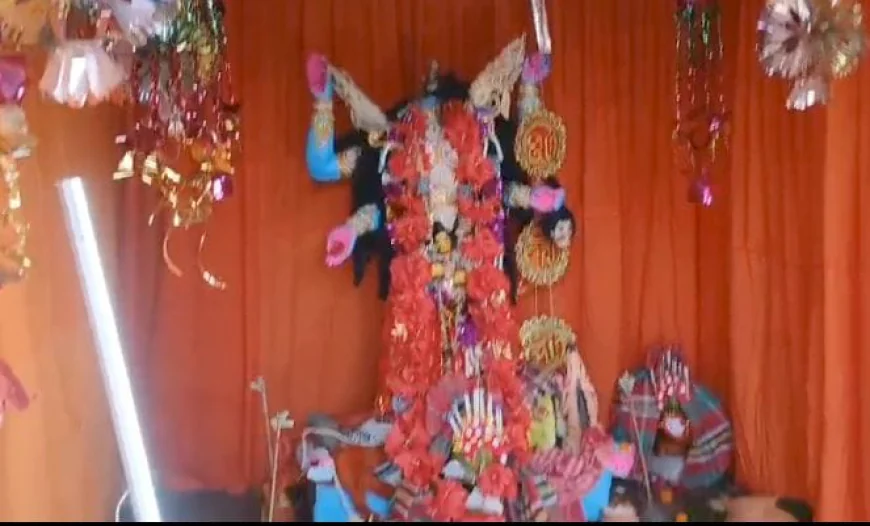
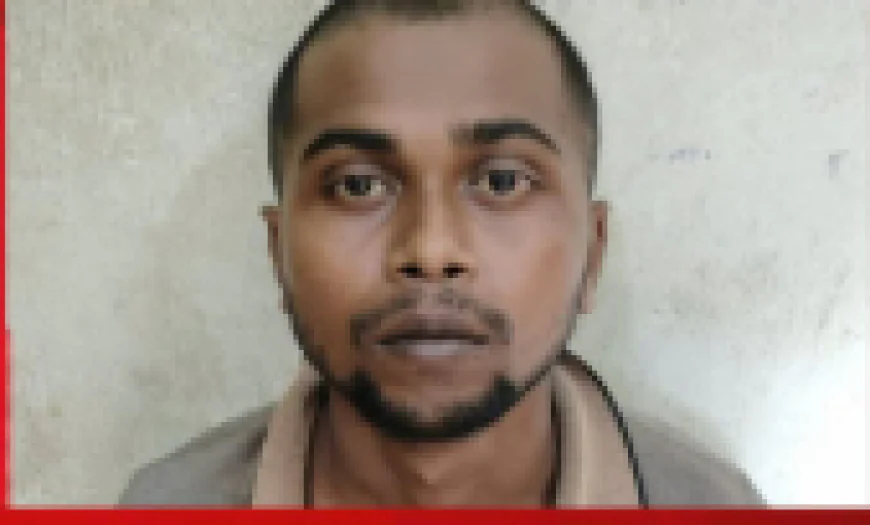
The political temperature in West Bengal rose again when Narayan Halder, the prime accused in the Kakdwip idol desecration case. He was granted bail on 14th October by the Kakdwip Court. The case, which sparked a major controversy in South 24 Parganas, took a new turn as BJP leader Suvendu Adhikari came out strongly in support of Halder, alleging he had been framed. With the topic refusing to die down, questions are being raised about what Halder’s legal team is arguing as the case moves forward.
Background: The Case That Sparked Tension
The Kakdwip idol desecration case controversy emerged last week when an idol of Kali in Kakdwip was found to have been desecrated. The police arrested Halder on what they alleged was a confession and corroborative statements, noting he was "intoxicated" and acted alone. The senior police officials stated the incident was not motivated by either communal or political components; it was "localised and spontaneous."
However, the arrest quickly came under political scrutiny.
Suvendu Adhikari’s Strong Defence
The Leader of the Opposition, Suvendu Adhikari, has strongly countered the state government, stating that Halder was set up. He argued that Halder’s behaviour indicated that he was drugged or intoxicated and couldn’t have acted independently. He demanded a probe by a central agency and argued that the state government was shaping the narrative to cover up significant political issues.
Adhikari pointed out that Halder’s family self-identified as TMC supporters and questioned why only Halder was arrested if this was truly political. Adhikari’s statement adds to the already heightened political conversation.
What Narayan Halder’s Advocate Is Saying
The case was legally monitored and argued by Advocate Disita Halder, who presented a strong defence that played a key role in securing bail. She raised three major points:
-
FIR Does Not Name Narayan, Political and Procedural Lapse
The defence argued that arresting somebody who is not mentioned at all in that main complaint, i.e FIR, is not according to basic investigative standards.
-
No Direct Evidence and No Motive
There is no CCTV, there are no eyewitnesses, and there are no forensic links that connect Narayan to the event. The advocate is saying that police have not established a motive as it relates to Narayan.
-
Confession Under Duress and Social-Economic Comps
Halder's lawyer will likely state that the confession was therefore not of his own choice. The defence will likely state that Halder was intoxicated at the time of his confession and is requesting that the judge not admit or trust that part of the record. The defence stated Narayan was a poor boy with no connections, so he was the easiest target to "fix" to close the case quickly.
Bail Granted, But Case Far From Over
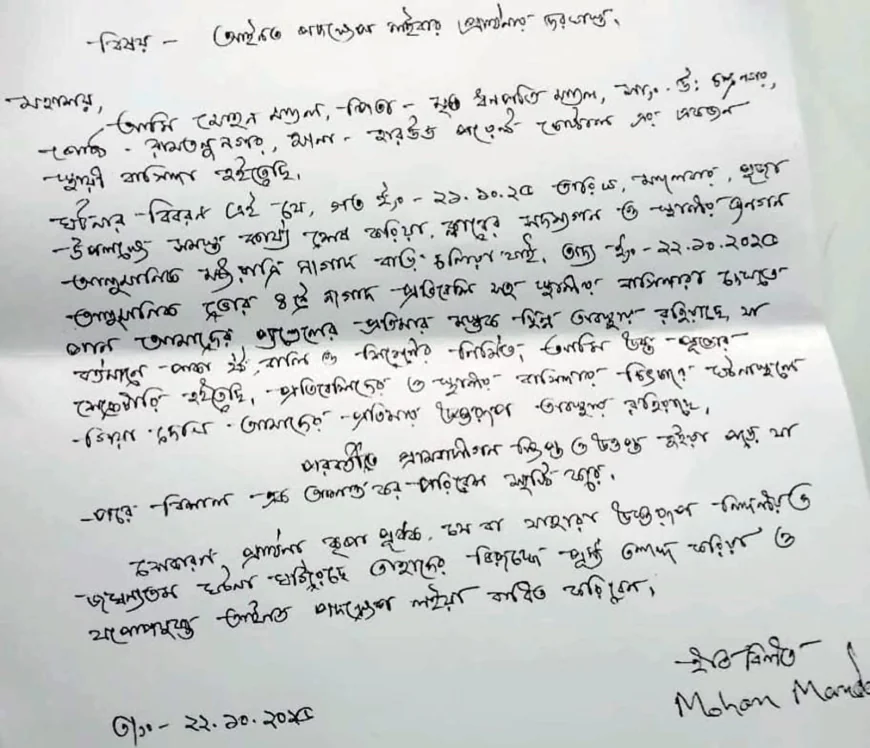
Halder’s bail indicates that the court did not find strong enough grounds to keep him in custody at this stage. However, the investigation continues, and both police and opposition leaders remain at loggerheads.
As politics intensifies and community tensions simmer, the Kakdwip idol desecration case is expected to remain a focal point in West Bengal’s charged political atmosphere.