






























India’s Industrial Moment: From Detroit & Seoul to New Delhi’s Manufacturing Surge
It is only after a careful consideration of what motivated these Indian policies that one can see why India is so attractive to global manufacturing—it provides the best combination of factors for manufacturing and exports.

Introduction
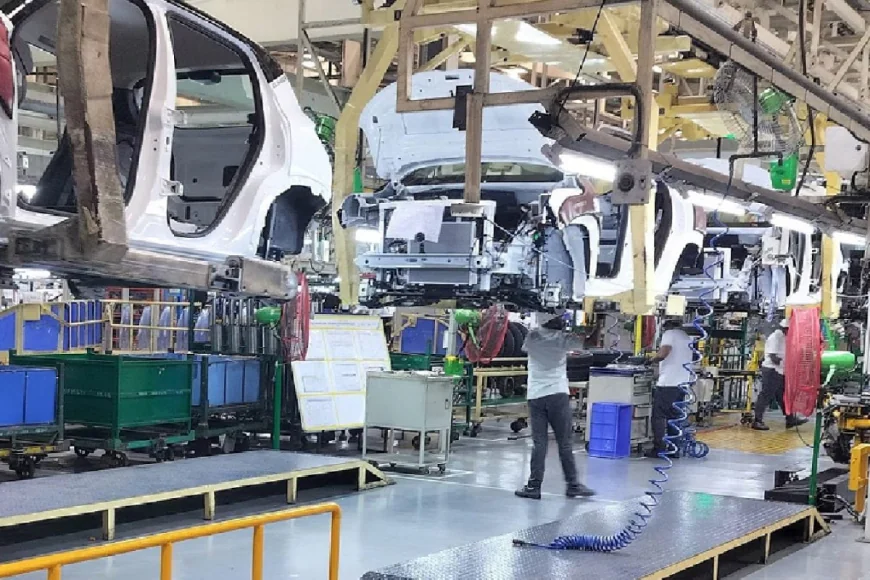
The factories of the world are relocating, and India is the new favorite. Besides selling in India, companies from Detroit to Seoul are opting India as their base for manufacturing, research, and exports. This cost-arbitrage story is only halfway told- it’s strategically more daring, ambitious, and fluid with respect to international trade.
A Strategic Shift in Manufacturing
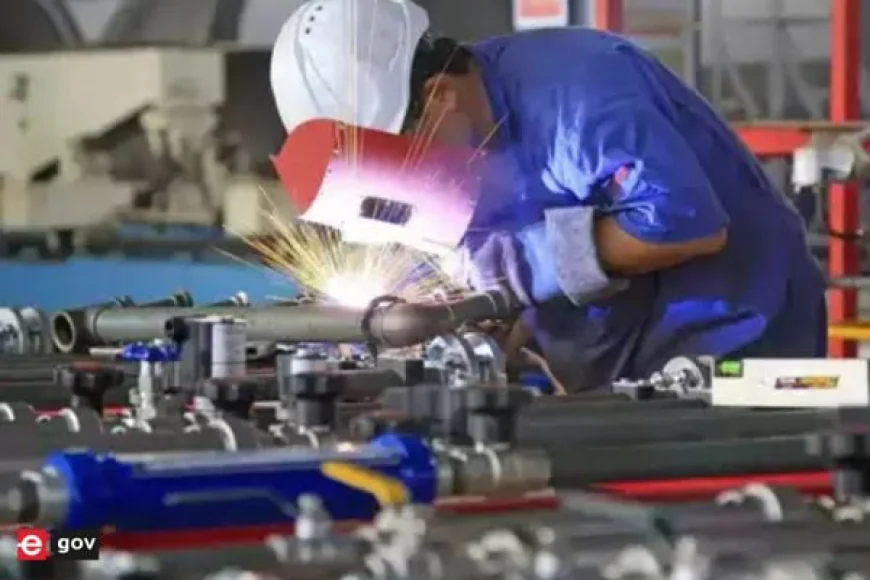
India was mostly considered as a big local market for consumption, but now it has transformed into a worldwide manufacturing hub. Companies are doing more than mere assembly; they are establishing local R&D, high-value production and exporting from India.
Why India Is Winning Attention
Three factors are behind this dramatic change:
•Good policy setting — initiatives such as the Production Linked Incentive (PLI) scheme and Make in India help in providing incentives for localisation.
•India has young, well-educated, technically-talented people who can interact with the rest of the world in any language as they are conversant with design, production, and digitization.
•Reorientation of supply chains and geopolitics: Companies are reducing their reliance on China, and India is the best option to take over its place.
Case Studies: Ford, HP, LG
The first example is Ford Motor Company where the company in Chennai is not only producing for the local market but also exporting premium automotive engine products- this is just one of the signs for India to become a leader in the luxury manufacturing sector.
HP Inc. intends to locally manufacture all the laptops that are sold in India in the next three to five years and also export the products made locally from India. LG Electronics, on the other hand, is moving the production of capital goods to Noida besides setting up an R&D center- the company's goal seems to be the shift from merely manufacturing to innovating.
Impacts and Opportunity
The opportunity available to India is not limited to only one thing but rather, consists of many factors, namely; job creation, stronger value-chains, export earnings, technology transfer as well as the possibility to skip the lower tiers of manufacturing and directly go into the higher-end sectors. On the other hand, global firms can tap into the vast Indian market that guarantees big volumes of production at affordable costs, with a skilled labor force and peaceful country that is absolutely stable amid the present world of uncertainties.
Looking Ahead: What to Watch
India may or may not be able to maintain her momentum in the coming years—it remains to be seen whether she will construct the infrastructure, ease the regulation, deepen the supplier ecosystem and be an effective competitor of other production hubs in Southeast Asia and China. The start-up scene looks vibrant, but putting the plan into motion will be crucial.
Conclusion
This swing in manufacturing—from Detroit to Seoul—is a clear indication that India is no longer just an emerging market. It is gradually becoming a global production powerhouse. The phrase "make in India" is taking on a new dimension: it's about manufacturing for the global market, in India.