


















Delhi High Court Stands by Aishwarya Rai, Orders Takedown of Misused Content
Delhi High Court protects Aishwarya Rai’s persona, orders takedown of unauthorized AI and online content using her image and voice. A landmark ruling on celebrity rights in the digital era.

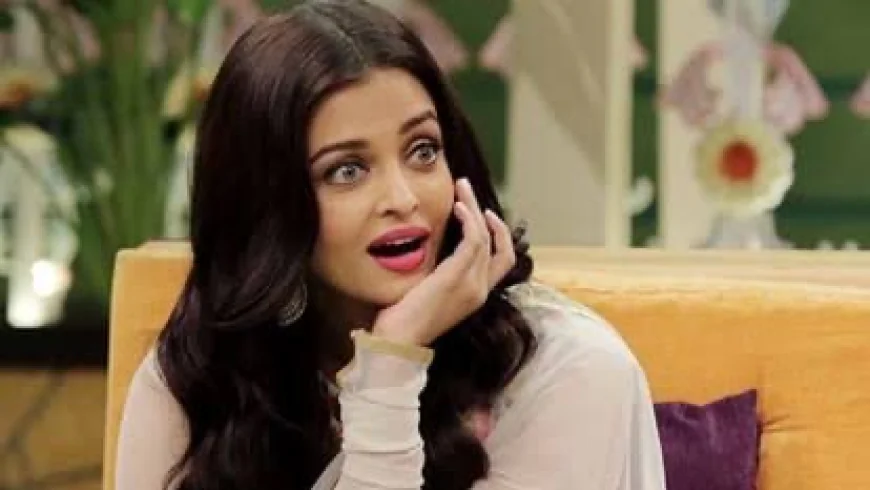
Aishwarya Rai Bachchan has always been more than just a Bollywood superstar as she’s a global face whose name carries weight far beyond the silver screen. Now, the Delhi High Court has stepped in to protect that legacy. In a decisive order, the court restrained several platforms and individuals from using her image, voice, or any likeness without her consent.
The move comes after reports surfaced of unauthorized content ranging from websites to AI-generated visuals, misusing her persona for commercial gain. The court made it clear: Rai’s identity isn’t up for grabs, and exploiting it without permission crosses a legal and ethical line.
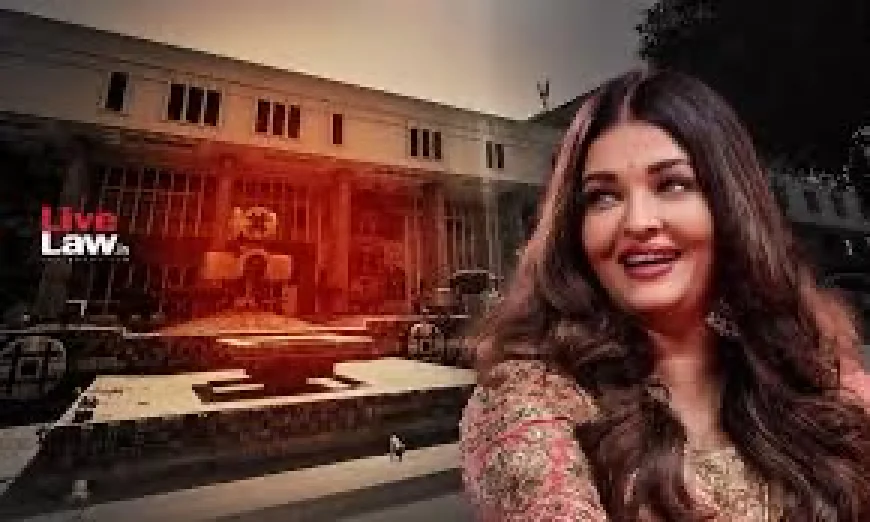
What the Court Ordered
Justice Tejas Karia issued an ex-parte injunction, directing that all infringing links and content be pulled down within 72 hours. Google has been asked to not only remove the flagged material but also disclose basic subscriber details tied to the offenders. The Ministry of Electronics and Information Technology, along with the Department of Telecommunications, has been told to ensure non-compliant sites are blocked within a week.
The order doesn’t stop at today’s platforms. It also extends to emerging tech like deepfakes, AI face-morphing, and other digital manipulations that can blur reality in dangerous ways.
It’s Important for this Digital Era
This isn’t just about one celebrity protecting her image. It’s about setting a benchmark in an era where technology can replicate and distort identities overnight. Aishwarya’s reputation built over decades through films, endorsements, and global recognition has immense commercial and personal value. Misusing it not only chips away at that brand but also risks misleading audiences who trust her name.
What’s Next
The case will return to court on January 15, 2026, but the order is already in force. For now, it sends a clear message: even in a digital world where AI and algorithms can conjure up anyone’s face or voice, the law will stand guard over the rights of individuals, especially those in the public eye.