






































India’s Fertiliser Tech Breakthrough: A Step Toward Self-Reliance
India has launched its first indigenous water-soluble fertiliser technology, a breakthrough aimed at cutting dependence on Chinese imports. This development not only strengthens the country’s agricultural backbone but also reflects its growing focus on innovation-driven self-reliance in the agro-input sector.


A Homegrown Innovation for Farmers
For years, Indian agriculture has leaned heavily on imported water-soluble fertilisers, especially from China. These fertilisers, crucial for high-yield horticulture and precision farming, often carried the burden of fluctuating prices and supply chain disruptions. The launch of India’s first indigenous water-soluble fertiliser technology changes that narrative, offering farmers a product rooted in domestic research and development.
The breakthrough reflects a vision where Indian farmers are not just consumers of imported technology but beneficiaries of homegrown solutions.
Cutting Import Dependence
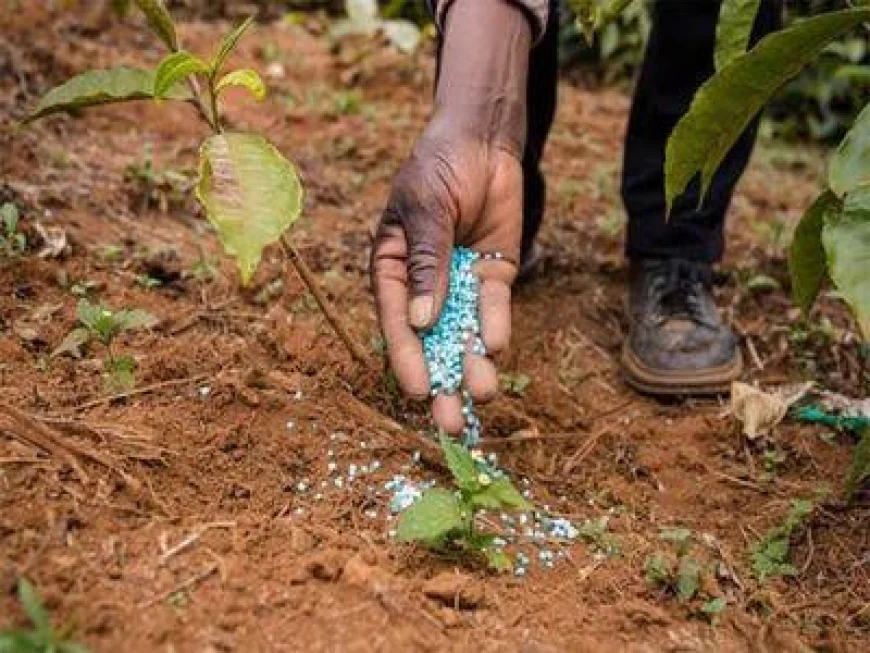
Currently, India imports nearly 100% of its water-soluble fertiliser requirements. This dependency has long been viewed as a strategic vulnerability, especially when global prices spike or geopolitical tensions disrupt supply chains. By developing its own technology, India not only reduces foreign dependence but also strengthens its position in the global agricultural market.
This move could save crores in foreign exchange annually while ensuring farmers get access to fertilisers at more stable prices.
Benefits for Farmers and the Economy
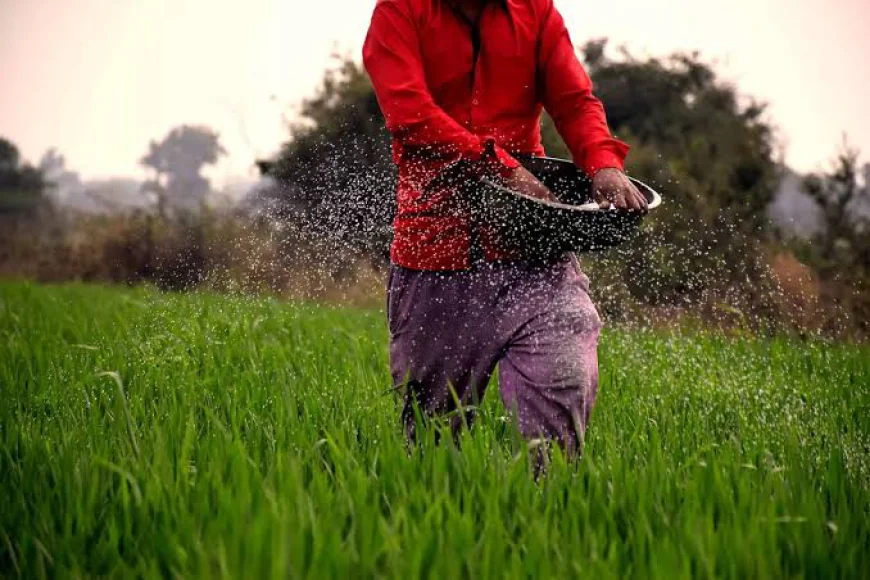
Water-soluble fertilisers are vital for modern farming techniques like drip irrigation and greenhouse cultivation. With domestic technology, these inputs are expected to become more affordable, accessible, and tailored to Indian soil and crop conditions.
Farmers cultivating fruits, vegetables, and high-value crops stand to gain the most, as consistent access to quality fertilisers often determines both productivity and profitability. On a larger scale, this breakthrough contributes to the government’s broader “Atmanirbhar Bharat” agenda, where self-reliance is not just an economic aspiration but also a strategic necessity.
Looking Ahead
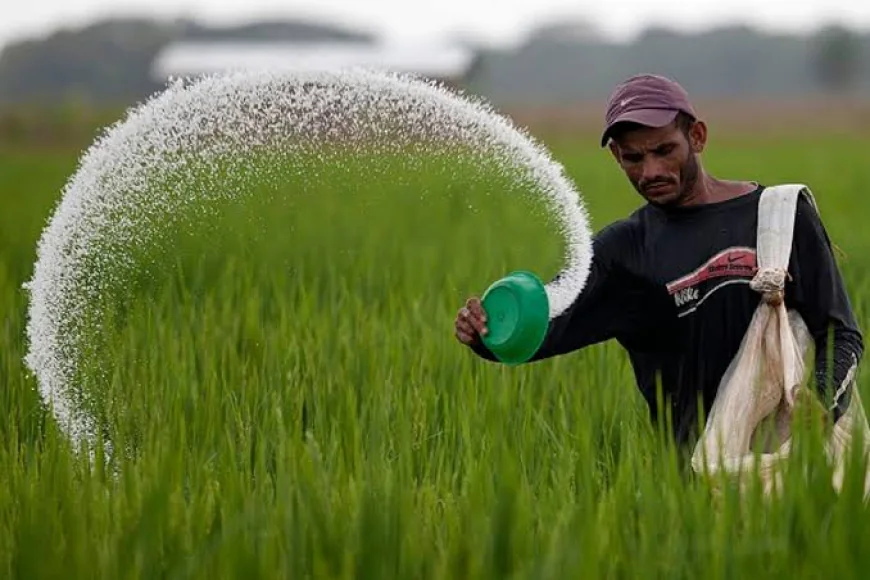
The challenge now lies in scaling up production, ensuring quality, and building trust among farmers. Awareness campaigns, extension services, and partnerships with farmer cooperatives will play a critical role in ensuring that this innovation reaches fields across the country.
If executed well, this step could mark the beginning of a new chapter in India’s agricultural journey one where innovation meets resilience, and self-reliance translates directly into farmer empowerment.
Final Word
India’s fertiliser tech breakthrough is more than just a scientific achievement. It’s a message of confidence to farmers, a push for economic independence, and a reminder that the nation’s strength lies in blending innovation with the needs of its people.