



































Deepika Padukone Trolled For Wearing Hijab In Ad With Ranveer Singh, Fans Say ‘Even Rihanna Wore One’
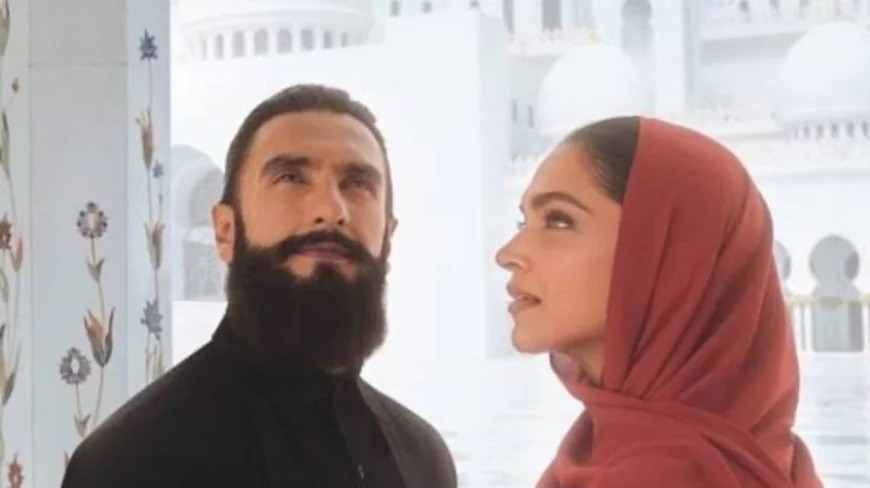
Deepika Padukone’s appearance in an Abu Dhabi tourism advertisement, where she is seen wearing what many are calling a hijab while visiting the Sheikh Zayed Grand Mosque with Ranveer Singh, has sparked controversy. Critics accuse her of betraying past statements about “My Choice” and criticize what they see as cultural contradiction, while fans defend her, saying she is simply respecting cultural norms. The debate touches on issues of freedom of expression, cultural sensitivity, and double standards in public life.

“My Choice” vs. “Respect the Rules” The Clash of Expectations
Deepika Padukone has long been vocal about empowerment and personal freedom. One of her earlier works, “My Choice,” emphasised that women should decide for themselves how they look, how they dress. So when she appears in a tourism ad wearing a hijab (or what some are calling a hijab, though others say it is an abaya) at the Sheikh Zayed Grand Mosque, many netizens see it as contradictory. Critics ask: if “choice” meant free expression, why now conform to a traditional dress code?
Setting the Scene: Why the Hijab/Abaya Here?
The context is important. The ad is for Abu Dhabi’s Experience Abu Dhabi campaign. The location includes the Grand Mosque, a site which requires visitors especially women to wear modest, covering clothing and head scarves or veils. Deepika’s outfit covers her body and her head in order to comply with the local norms of that sacred space.
To many fans, this isn’t about identity or ideology but about respect for local traditions. They see this as basic decency when in a foreign cultural or religious setting.
Voices of Disquiet vs. Voices of Defense
On one side are social media users who claim Deepika is stepping away from her own established public image that of advocating choice and liberal values. Some allege she’s doing what she’s told for branding, or that there’s hypocrisy in being urged to assert choice in one context and conform in another.
On the flip side, supporters argue that asking for choice doesn’t require flouting respect for others’ customs. Many point out that when visiting Hindu temples, for example, she has dressed appropriately and respected dress codes. These fans stress the difference between acting for respect versus acting for religious conversion or ideologic signalling.
Cultural Sensitivity, Celebrity, and the Burden of Representation
This incident underlines a larger dilemma that public figures often face: must they meet every demand of consistency? Or can their acts be contextual? Deepika’s critics measure her by her own past statements. But real life, especially in global contexts, often forces people to adapt. The question becomes: when is adaptation respect, and when is it perceived as compromising identity?
For many women in India, “choice” is often scrutinised under a microscope: what you wear, where you wear it, whom you appeal to. Deepika’s current ad stirs debate because it clashes with certain expectations people have built around her image. Some expect consistency at all times; others argue nuance is necessary.
Final Thoughts
The uproar over Deepika Padukone wearing a head covering in the Abu Dhabi ad isn’t really about the fabric she draped over her head. It’s about what that act symbolizes in a polarized world: the tension between individual freedom and cultural respect, between past promises and present actions, and between local norms and global platforms. For celebrities, every wardrobe choice can morph into debate. In the end, perhaps the more meaningful question is — can someone uphold their principles while also showing courtesy to others’ traditions?